Musty odor with no visible mold
We use a thermal imaging camera and boroscope inspection camera to find the wet zone without cutting open walls. Once located, we sample the cavity and confirm the genus in the lab before recommending any removal.
A Basement Mold Inspection in NORTH HOLLYWOOD, California starts with a moisture meter and thermal imaging camera, not a guess. We inspect below-grade rooms, crawl spaces, and garage conversions across the NoHo Arts District and Toluca Lake, then send spore trap samples to the lab. If you have smelled that musty odor since the last rain, we find out where it is coming from and how far it has spread.
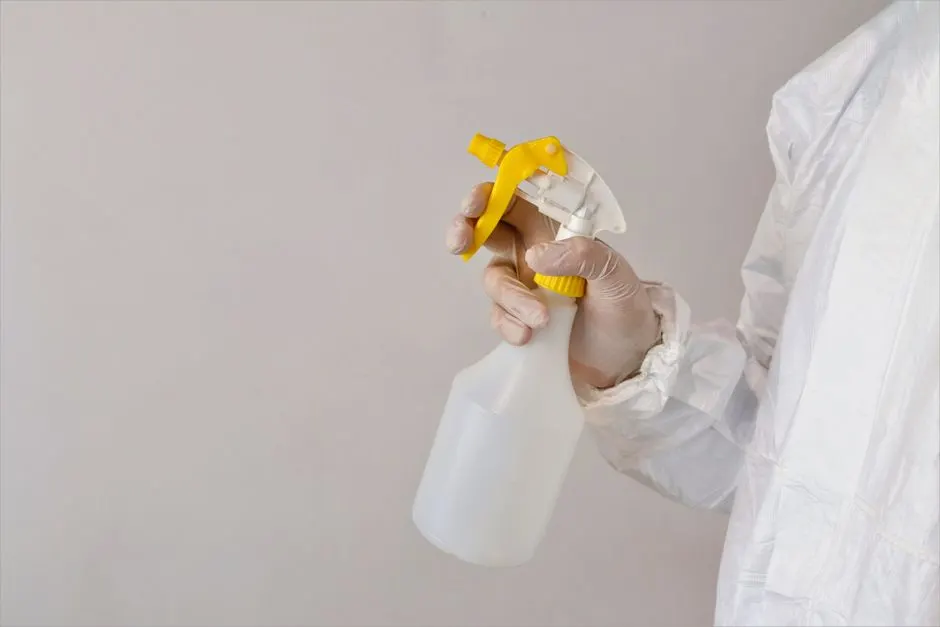
A Basement Mold Inspection in NORTH HOLLYWOOD, California is a below-grade mold investigation that uses moisture meters, a thermal imaging camera, and a boroscope inspection camera to locate active mold growth, hidden water intrusion, and elevated humidity before spores spread through the rest of the house. We check foundation walls, floor joists, subfloor sheathing, sump pits, and HVAC returns. Every suspect area gets photographed, measured, and documented against ANSI/IICRC S520 standards.
Most NORTH HOLLYWOOD basements sit below grade in older 1920s to 1950s bungalows and duplexes, so water wicks through block walls after every winter rain. If you have been searching for a basement mold inspection in NORTH HOLLYWOOD California near me, we run a full cellar mold assessment NORTH HOLLYWOOD California with air sampling and surface testing the same week you call. That includes post-flood mold checks after a burst supply line or a backed-up floor drain.
Every inspection covers the below-grade space end to end, from the first moisture reading to the final lab report. Here is what is included in the standard visit, and what we quote separately if the job calls for it.
We run a thermal imaging camera along foundation walls, floor joists, and subfloor sheathing to find temperature differences that point to hidden moisture. This catches wet zones behind finished walls before visible black mold growth appears.
A moisture meter gives us percentage readings on wood and concrete. We map readings across the basement floor plan so you can see exactly where the wet zones are and how they compare to dry areas.
We set spore trap cassettes for a 5-minute air sample and take tape-lift or swab samples from visible growth. Samples ship to an accredited lab, and results come back in 24 to 72 hours with genus-level identification.
A boroscope inspection camera lets us look inside wall cavities and under subfloors without cutting open drywall. We check for hidden growth and moisture behind baseboards, stair stringers, and rim joists.
You get a report with thermal images, moisture percentages, lab counts, and a marked-up floor plan. We flag the moisture source and give you a clear scope for what needs remediation versus what can be dried in place.
You call (833) 929-5837 and describe the smell, the stains, or the water event. We ask about the last leak, the age of the house, and whether the basement is finished. That call takes 10 minutes and sets the scope for the visit.
A technician walks the basement, crawl space, and adjacent rooms with a moisture meter and thermal imaging camera. We map wet zones on a floor sketch, check HVAC returns for mold contamination, and photograph every suspect surface. Expect 45 to 90 minutes depending on square footage.
We set spore trap cassettes for a 5-minute air sample, take tape-lift surface samples, and swab any visible growth. Samples ship to an accredited lab, and results come back in 24 to 72 hours with genus-level identification.
You get a report with moisture percentages, thermal images, lab counts, and a marked-up floor plan showing where growth is active. We flag the moisture source, whether that is a foundation crack, a failed sump pump, or crawl space moisture feeding the whole area.
We walk you through what needs remediation, what can be dried in place, and what to monitor. If growth is minor, we may recommend a dehumidifier and an encapsulant coating instead of a full tear-out. If it is widespread, we quote the containment and removal work.
Purpose-built equipment, used by trained technicians — so the job is done accurately the first time.
Detects temperature differences that point to hidden moisture behind walls, under floors, and around foundation cracks. It is the fastest way to find wet zones without cutting open drywall.
Gives percentage readings on wood and concrete so we can map wet zones and compare them to dry areas. We use it before, during, and after drying to confirm framing is ready for clearance.
Lets us look inside wall cavities and under subfloors without demolition. We check for hidden growth behind baseboards, stair stringers, and rim joists.
Captures airborne particles over a 5-minute window using spore trap cassettes. Samples ship to an accredited lab for genus-level identification and comparison against an outdoor baseline.
Pulls moisture out of the air during drying. We set Dri-Eaz and Phoenix Restoration Equipment units to bring relative humidity down to target levels within 24 to 48 hours.
HEPA vacuum and air scrubber equipment capture airborne spores during and after removal. We run Abatement Technologies units with HEPA filters to keep spore counts down in adjacent rooms.
Creates negative pressure inside containment so spores cannot escape into living areas. We pair it with containment plastic sheeting and zipper doors on every remediation job.
A homeowner called about a musty smell that got worse every winter. The basement had visible staining on the block wall, and a moisture meter read 28 percent on the rim joist. Lab samples confirmed elevated Penicillium and Aspergillus counts indoors compared to the outdoor baseline.
We traced the moisture to a foundation crack and a failed drainage plane. After sealing the crack and installing a vapor barrier, moisture readings dropped to 12 percent. Post remediation mold testing confirmed spore counts had returned to normal background levels.
A supply line burst and flooded a 600-square-foot basement for three days. Carpet was soaked, drywall was wicking water, and the musty odor was already noticeable. The tenant had moved upstairs because of allergy symptoms.
We extracted standing water, removed the soaked carpet, and set Dri-Eaz dehumidifier and air scrubber units. Framing read dry in four days. Post remediation mold testing came back clean, and the tenant moved back into the space within a week.
A home inspector flagged a damp crawl space during a real estate transaction. The buyer called us for a second opinion. We found active growth on floor joists and a moisture meter reading of 24 percent on the subfloor sheathing.
We removed affected insulation, treated the framing with antimicrobial solution, and installed a vapor barrier. Moisture readings dropped to 11 percent. The buyer used our report to negotiate $8,500 off the purchase price.
Below-grade mold rarely announces itself. These are the problems we find most often when we run a basement mold inspection in NORTH HOLLYWOOD California, and how we solve them.
Ask a pro →We use a thermal imaging camera and boroscope inspection camera to find the wet zone without cutting open walls. Once located, we sample the cavity and confirm the genus in the lab before recommending any removal.
We take a moisture meter reading and a tape-lift sample to tell the difference. If it is mold, we trace the water source, whether that is a foundation crack or a failed drainage plane, and scope the fix.
We respond same day, extract standing water, and set a dehumidifier and air scrubber to start drying. Once framing reads dry, we sample for post-flood mold and confirm whether remediation is needed.
We collect spore trap cassettes indoors and outdoors, compare counts, and identify which genera are elevated. That tells you whether the basement is the source or whether the problem is elsewhere in the house.
Most residential inspections run $250 to $650, and that includes the on-site walkthrough, thermal imaging, moisture mapping, and two to four lab samples. Larger basements, crawl space add-ons, and commercial spaces push toward the higher end. If you need air quality and mold testing alongside the visual inspection, add roughly $150 per additional sample set.
Below-grade rooms here sit against block or poured foundation walls that wick groundwater all winter, and older homes often lack a vapor barrier under the slab. Add a leaky hose bib, a failed sump pump, or crawl space moisture and you get a damp environment that feeds mold year-round. Fixing the moisture source is the only permanent fix.
A cellar mold assessment NORTH HOLLYWOOD California includes a visual walkthrough, moisture meter readings on walls and framing, thermal imaging to find hidden wet zones, a boroscope inspection camera look inside wall cavities, and lab-tested air and surface samples. You get a written report with photos, moisture percentages, and spore counts within 72 hours.
Yes. We hold same-day slots for urgent calls, including post-flood mold checks after a supply line break or a backed-up floor drain. Call (833) 929-5837 before noon and we can usually be on-site that afternoon. Evening and weekend appointments are available for an additional after-hours fee.
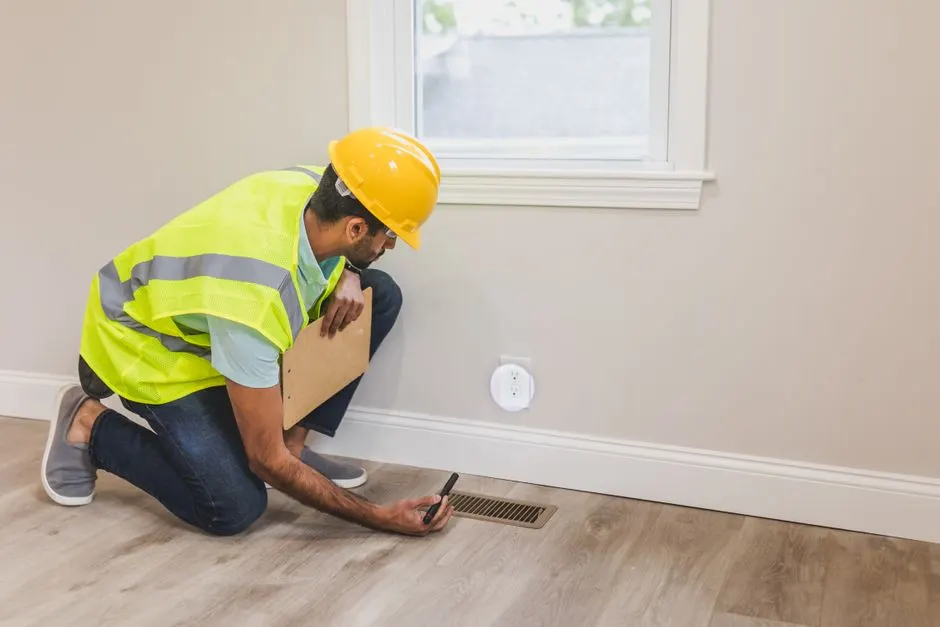 Mold Inspection Near MeIf you searched for mold inspection near me in NORTH HOLLYWOOD, this is the same on-site walkthrough we run for basements, extended to the whole house. We check attics, bathrooms, and HVAC closets in one visit.Explore →
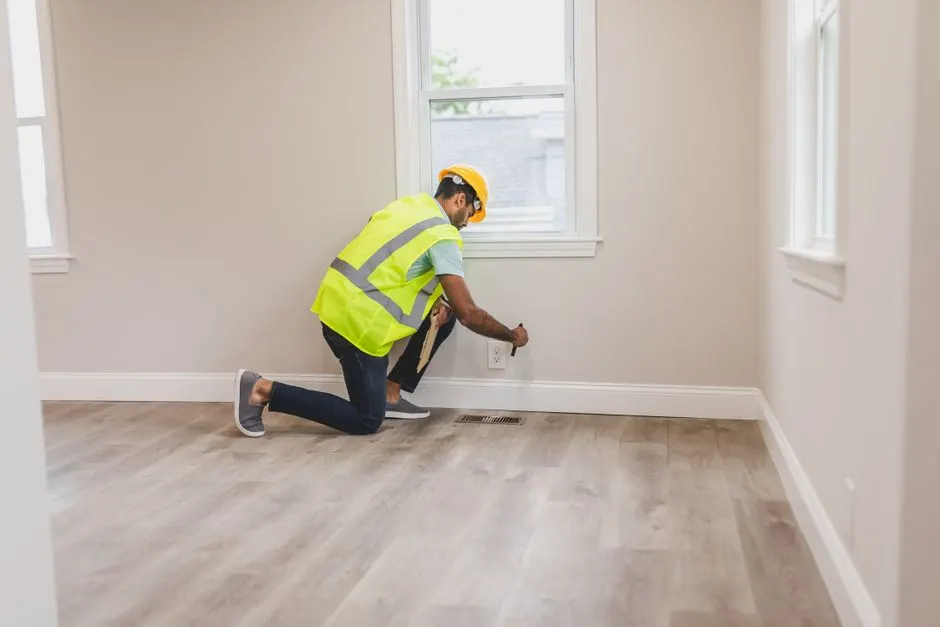 Mold InspectionA full-property mold inspection covers every room, not just the basement. We map moisture across the structure and identify the source feeding growth, which is often a roof leak or a bathroom exhaust venting into the attic.Explore →
 Mold TestingMold testing adds lab analysis to the visual inspection. We collect spore trap cassettes and surface samples, then compare indoor counts to an outdoor baseline so you know whether the spore load is actually elevated.Explore →
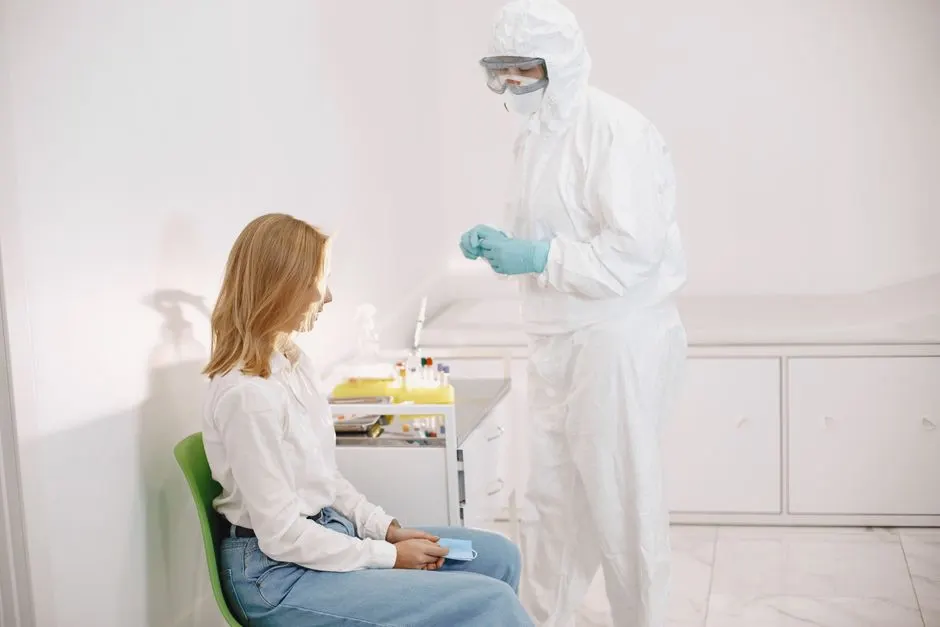 Mold Testing Near MeWhen you need mold testing near me in NORTH HOLLYWOOD, we bring the sampling gear to your door. Results come back in 24 to 72 hours with genus-level identification and a written interpretation.Explore →
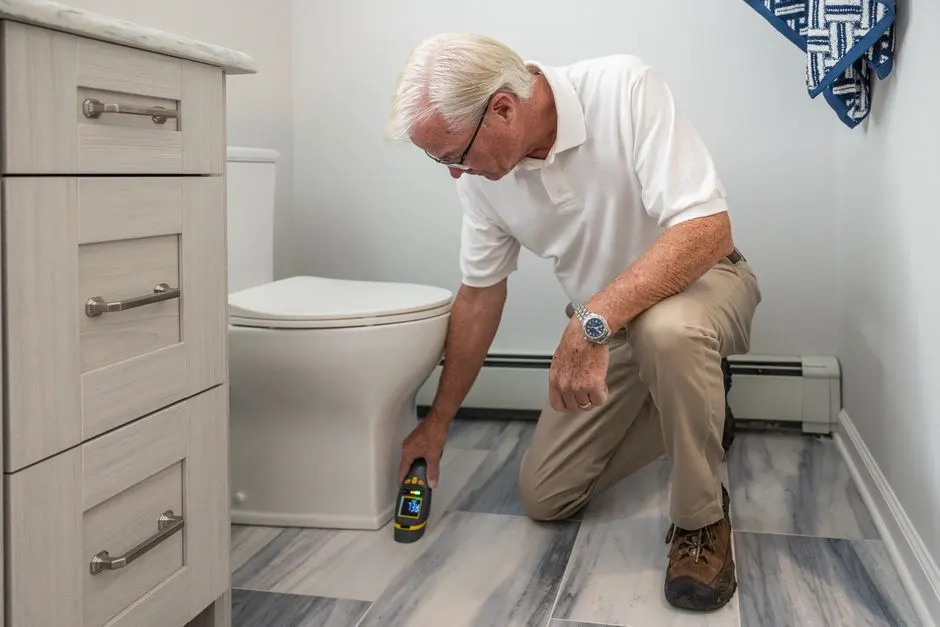 Certified Mold InspectorOur certified mold inspector holds ACAC CMI and ACAC CMR credentials along with IICRC AMRT certification. That training matters when you need a report that stands up to an insurance adjuster or a real estate transaction.Explore →
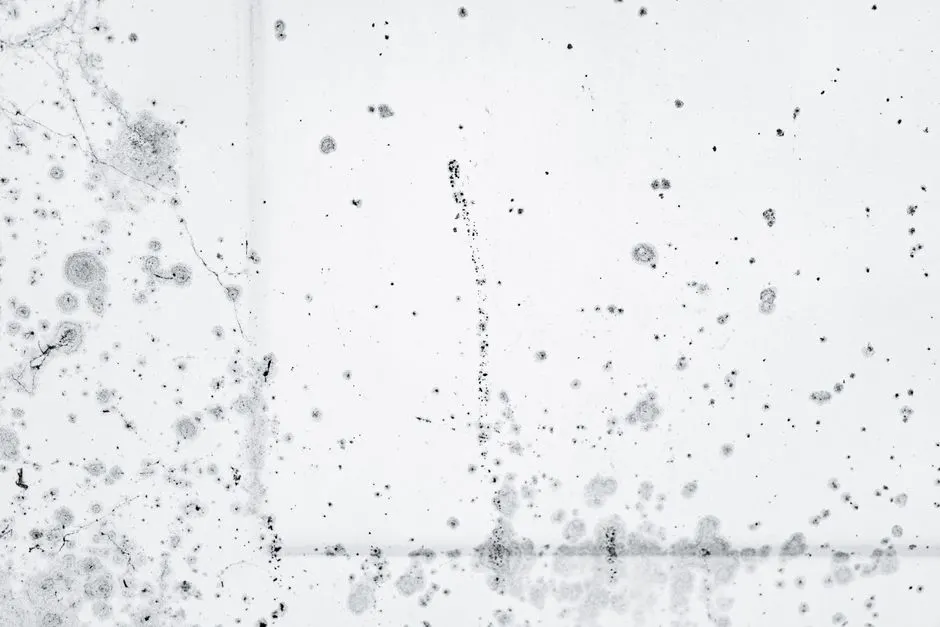 Black Mold InspectionBlack mold inspection focuses on Stachybotrys and other toxigenic species. We sample suspect growth directly, confirm the genus in the lab, and scope removal under ANSI/IICRC S520 containment if it is confirmed.Explore →
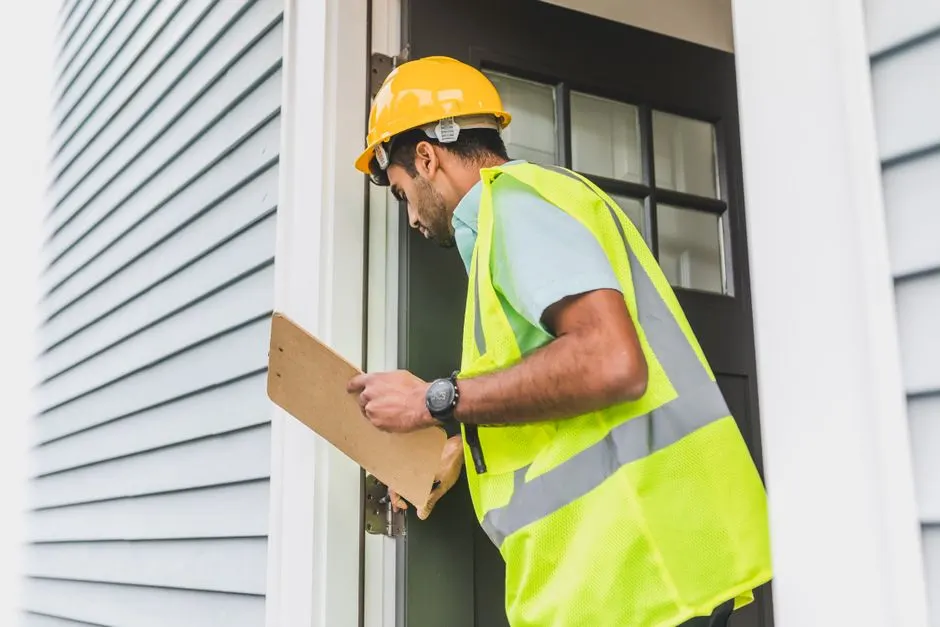 Home Mold InspectionA home mold inspection covers the whole property, from the basement to the attic. It is the right call when you smell musty odors but cannot pin down the source, or when you are buying a house in the area.Explore →
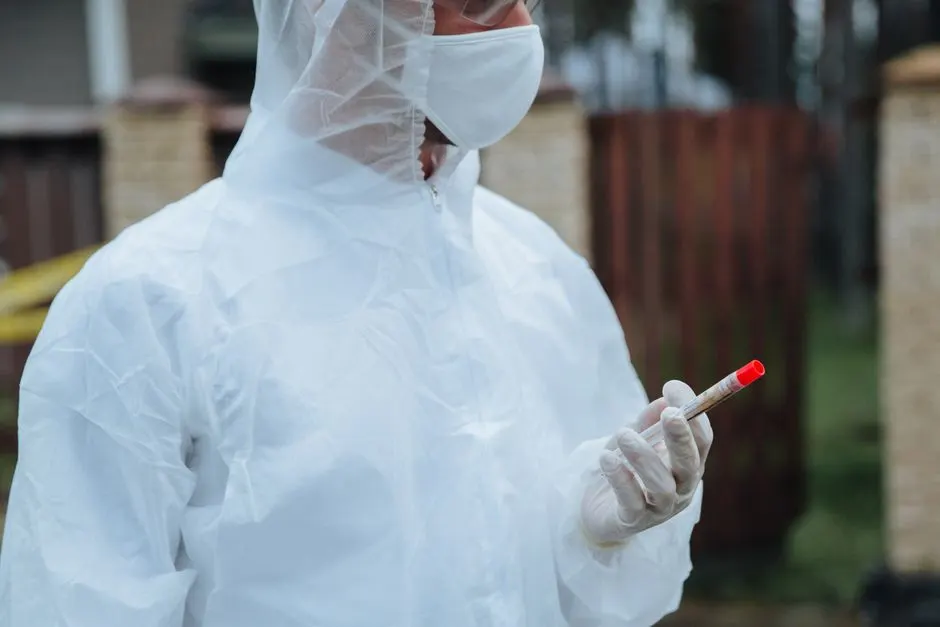 Residential Mold TestingResidential mold testing is built for single-family homes and duplexes. We sample air and surfaces, document moisture readings, and give you a report you can hand to a contractor or an adjuster.Explore →
If you smell musty air or see staining on a foundation wall, call (833) 929-5837. We are CSLB licensed, IICRC certified, and we carry the equipment to find the source on the first visit. Same-day slots available.
Book Inspection (833) 929-5837 →Call (833) 929-5837 any time - our line is answered 24/7 by a live technician, not a call center. For non-emergency estimates, we schedule same-day or next-day visits across NORTH HOLLYWOOD and the surrounding Valley. Send photos to our email if you want a quick read before we come out.