Musty smell with no visible mold
We use a thermal imaging camera and moisture meter to trace the smell to its source. A boroscope inspection camera confirms growth inside the cavity. Once we find it, you know exactly what to fix.
A Home Mold Inspection in NORTH HOLLYWOOD, California is the fastest way to find out whether that musty smell, water stain, or mystery allergy flare-up is actually mold. We inspect attics, crawl spaces, bathrooms, and HVAC systems with thermal imaging and moisture meters, then hand you a clear report. If you own or manage a home here, this is where you start.
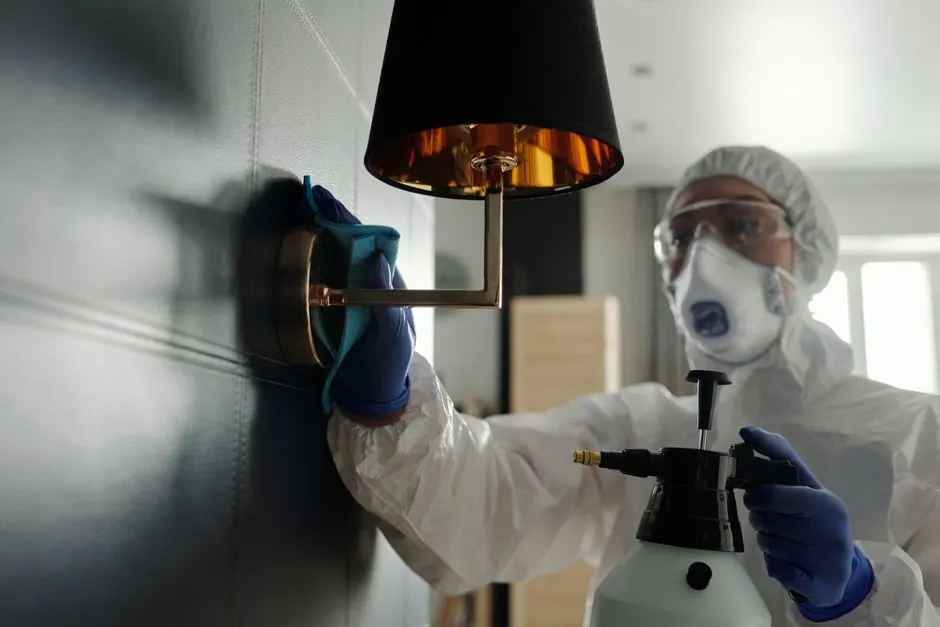
A Home Mold Inspection in NORTH HOLLYWOOD, California is a room-by-room investigation that locates active mold growth, hidden moisture, and the conditions feeding it. We start with a visual walk-through, then confirm what we see with a moisture meter and a thermal imaging camera that reads temperature differences behind drywall. Suspect cavities get checked with a boroscope inspection camera. Air samples go into a spore trap sampler and get analyzed in a lab, so you get species and spore counts, not a guess.
This matters in North Hollywood because the housing stock here is old and the summers are dry. A 1920s bungalow off Magnolia Boulevard can hide a slow supply-line leak behind a cabinet for months, and a 1960s ranch house in North Hollywood West often has crawl space moisture that never dries out. We also handle residential mold assessment NORTH HOLLYWOOD California for duplexes, ADUs, and small apartment buildings, where one shared wall can spread spores into three units before anyone notices.
Every inspection covers the full house envelope, not just the room you called about. Here is what is included as standard. Remediation work, if needed, is quoted separately after you review the report.
We inspect the attic, living areas, bathrooms, kitchen, laundry, and crawl space or basement. Every room gets checked for staining, warping, and visible growth. This takes 45 to 60 minutes in a typical single-family home.
We take readings along baseboards, around plumbing fixtures, under windows, and on any surface with discoloration. Anything above 16 percent moisture content gets flagged and documented with a photo and a location note.
A thermal imaging camera reads temperature differences behind walls and ceilings. It shows us where moisture is hiding without cutting into drywall. We scan every exterior wall and any area with a history of leaks.
We collect air samples with a spore trap sampler in the worst-affected room and one outdoors for baseline. Surface samples come from visible growth. Samples ship to an accredited lab the same day.
You get a report with photos, moisture readings, lab-analyzed spore counts by species, and a plain-language summary. If remediation is needed, we outline the scope and a cost range. Results arrive by email in 24 to 48 hours.
When we suspect mold inside a wall cavity, we use a boroscope inspection camera to look inside without cutting a large hole. It goes through a small opening and shows us the back of the drywall and the framing behind it.
We ask about the smell, the water history, and any recent leaks or flooding. You tell us what you have noticed and when it started. This call takes about 10 minutes and lets us load the right equipment before we arrive.
Our inspector works the house top to bottom: attic first, then living areas, bathrooms, kitchen, and finally the crawl space or basement. We look for staining, warped baseboards, peeling paint, and the discoloration that signals black mold growth. This stage usually runs 45 to 60 minutes.
We run a moisture meter along every suspect wall and floor, then confirm with a thermal imaging camera. Anything reading above 16 percent moisture content gets flagged. A boroscope inspection camera lets us look inside the wall cavity without cutting a hole.
We set a spore trap sampler in the worst-affected room and one outdoors for a baseline. Surface samples come from visible growth. Samples ship to the lab the same day, and results come back in 24 to 48 hours by email.
You get a report with photos, moisture readings, lab results, and a plain-language summary of what needs fixing. If remediation is needed, we outline the scope. If it is a $200 fix, we tell you that too.
Purpose-built equipment, used by trained technicians — so the job is done accurately the first time.
Reads temperature differences behind walls and ceilings to find hidden moisture without cutting into drywall. We scan every exterior wall and any area with a leak history.
Takes surface and pin readings on walls, floors, and framing. Anything above 16 percent moisture content gets flagged and documented with a photo.
Looks inside wall cavities and crawl spaces through a small opening. It shows us the back of drywall and the framing without a large cut.
Collects air samples onto a cassette for lab analysis. We take one sample in the affected room and one outdoors for a baseline comparison.
Used during remediation to capture spores and keep them from spreading. We run air scrubbers with HEPA filters throughout the work area.
Creates negative pressure inside containment so spores cannot escape into clean areas of the home during removal work.
Dries wet materials after a leak or flood. Fast drying within 48 hours is the best way to prevent mold from starting.
A homeowner noticed peeling paint near the shower and a musty smell in the hallway. A slow supply-line leak had been running behind the wall for months. Moisture meter readings hit 28 percent, and lab results confirmed elevated spore counts.
We scoped a targeted remediation: remove the affected drywall section, treat the framing with antimicrobial solution, and replace the damaged supply line. The job took two days. Post-remediation testing confirmed spore counts back to outdoor baseline levels.
A family noticed musty odors in the upstairs bedrooms. The attic had no proper ventilation, and bathroom exhaust was venting directly into the attic space. Roof decking showed dark staining across 200 square feet, with active growth confirmed by surface sampling.
We removed affected insulation, treated the roof decking with antimicrobial solution, and rerouted the exhaust vent through the roof. The remediation took three days. Clearance testing confirmed the attic was clean, and indoor air quality improved noticeably.
A landlord called about a musty smell in a ground-floor unit. The crawl space had no vapor barrier, and relative humidity was above 75 percent. Floor joists showed mold growth across roughly 300 square feet, confirmed by lab analysis.
We installed a 6-mil vapor barrier, treated the joists with antimicrobial solution, and ran a dehumidifier for 48 hours. The job took two days. Post-remediation testing showed spore counts back to normal, and the musty smell was gone.
Most calls we get start with one of these four problems. Each one has a specific cause and a specific fix.
Ask a pro →We use a thermal imaging camera and moisture meter to trace the smell to its source. A boroscope inspection camera confirms growth inside the cavity. Once we find it, you know exactly what to fix.
We trace the leak back to its source, whether it is a roof flashing failure, a supply line, or a drain. We test the stained area for mold and tell you whether it is active growth or old staining that just needs paint.
We run air quality and mold testing with a spore trap sampler and compare indoor counts to an outdoor baseline. If counts are elevated, we identify the source and outline the fix.
We inspect the crawl space with moisture meters and a boroscope, test the joists for growth, and recommend a vapor barrier plus treatment if mold is present. Most crawl space jobs finish in one to two days.
Most inspections run $250 to $600 for a single-family home, depending on square footage and how many air samples you need. A basic visual inspection with one or two samples sits at the low end. Full assessments with five or more samples and a crawl space inspection run higher. We quote a flat price before we arrive, so there are no surprise charges.
It includes a full visual walk-through, moisture meter readings on suspect surfaces, thermal imaging of walls and ceilings, and lab-analyzed air and surface samples. You get a written report with photos, spore counts, and a clear recommendation. If remediation is needed, we outline the scope and the likely cost range so you can compare quotes.
A typical single-family home takes two to three hours on site. Larger homes, crawl spaces, or buildings with multiple units can run four hours or more. Lab results come back 24 to 48 hours after the visit. If you need a same day home mold inspection NORTH HOLLYWOOD California, call before noon and we will do our best to fit you in.
California does not require one by law, but it is smart. A pre-listing inspection gives you documentation to show buyers and prevents a last-minute credit demand during escrow. We have seen sellers in Toluca Lake and Valley Village save thousands by catching a small issue early. The report also protects you from disclosure disputes after closing.
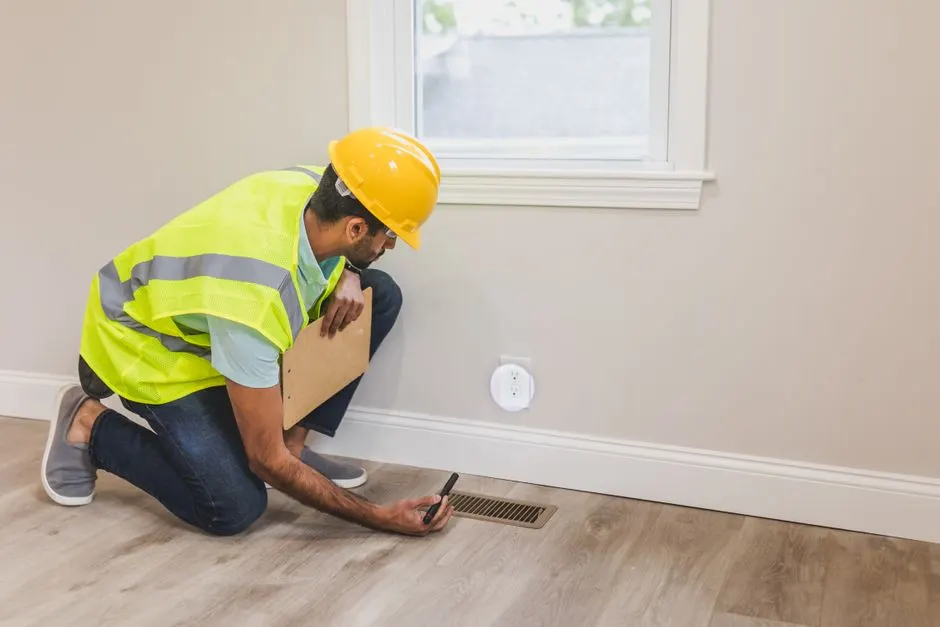 Mold Inspection Near MeIf you searched for a mold inspection near me, we cover all of North Hollywood and surrounding neighborhoods. Our inspectors arrive with thermal cameras and moisture meters ready, and we can usually book you within 24 hours. Call (833) 929-5837 to schedule.Explore →
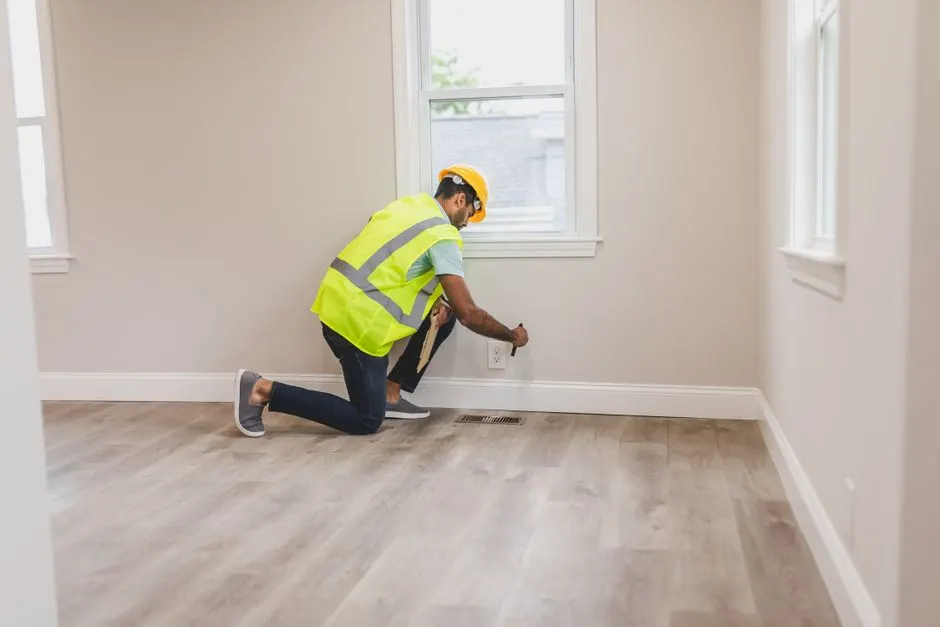 Mold InspectionA standard mold inspection covers visual assessment, moisture mapping, and sampling. It is the right starting point for any home with a musty smell or a recent water event. We serve North Hollywood homeowners, landlords, and property managers with the same process every time.Explore →
 Mold TestingMold testing uses air and surface samples to identify species and spore counts. It confirms what an inspection suspects. We send samples to an accredited lab and get results back in 24 to 48 hours, which is fast enough for most escrow timelines.Explore →
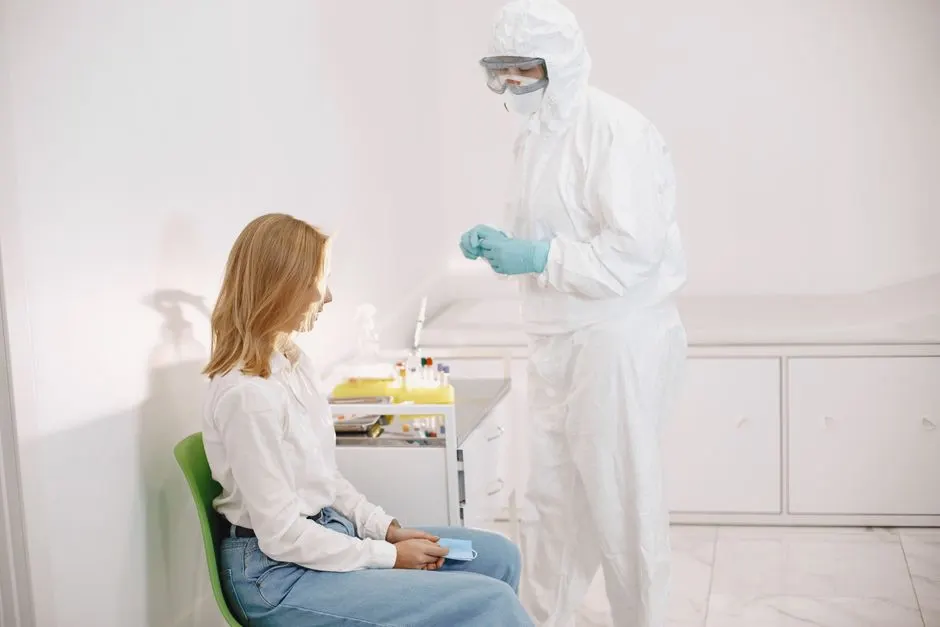 Mold Testing Near MeSearching mold testing near me in North Hollywood? We run spore trap sampling in affected rooms plus an outdoor baseline, so you get a comparison. Results come by email with a plain-language summary. Most homes need two to five samples.Explore →
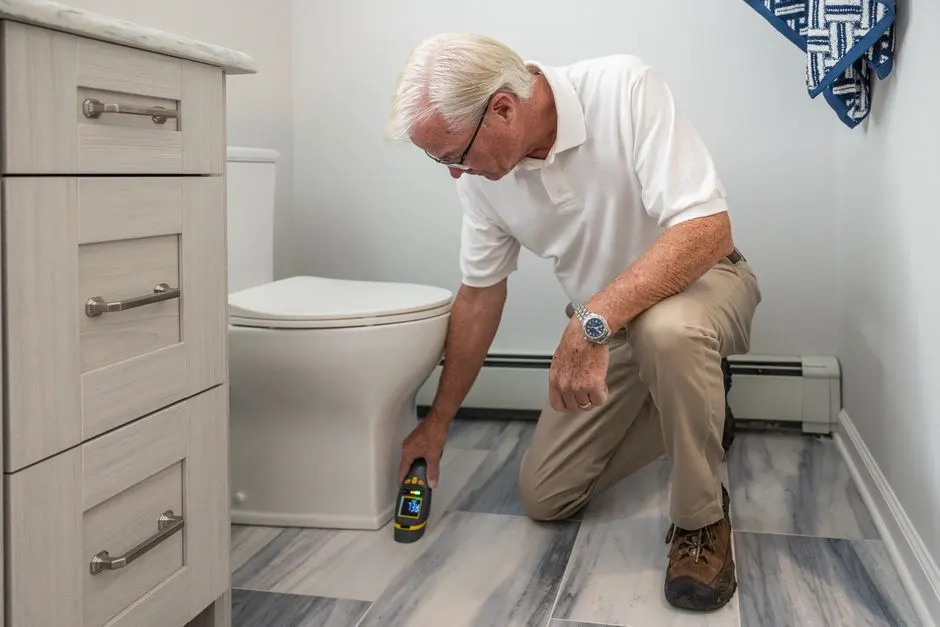 Certified Mold InspectorOur inspectors hold IICRC AMRT and WRT certifications and follow ANSI/IICRC S520 standards. That matters when you need documentation for an insurance claim or a real estate transaction. We put our credentials on every report.Explore →
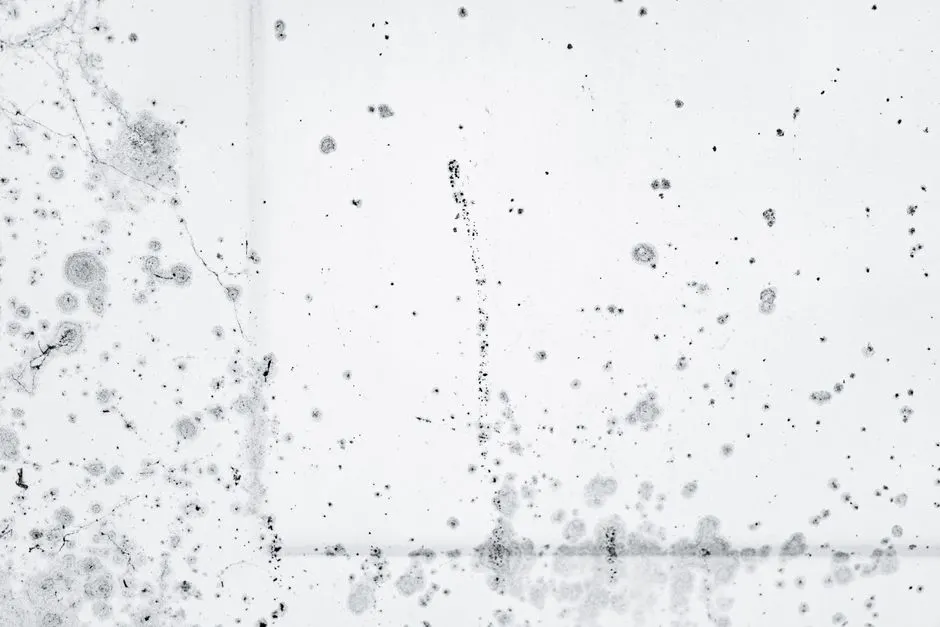 Black Mold InspectionBlack mold growth needs confirmation, not guesswork. We sample visible dark patches and the air around them to identify species. If it is Stachybotrys, we tell you and outline the remediation scope. If it is a harmless surface stain, we tell you that too.Explore →
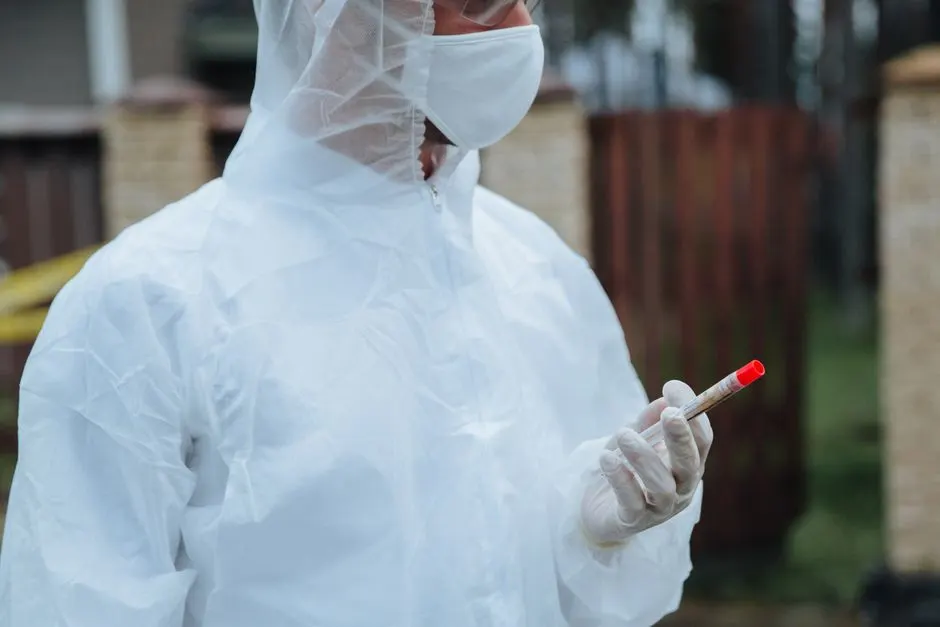 Residential Mold TestingResidential mold testing is built for single-family homes, duplexes, and ADUs. We test attics, crawl spaces, bathrooms, and HVAC systems. North Hollywood homes often have more than one moisture source, so we check the whole envelope, not just the room you called about.Explore →
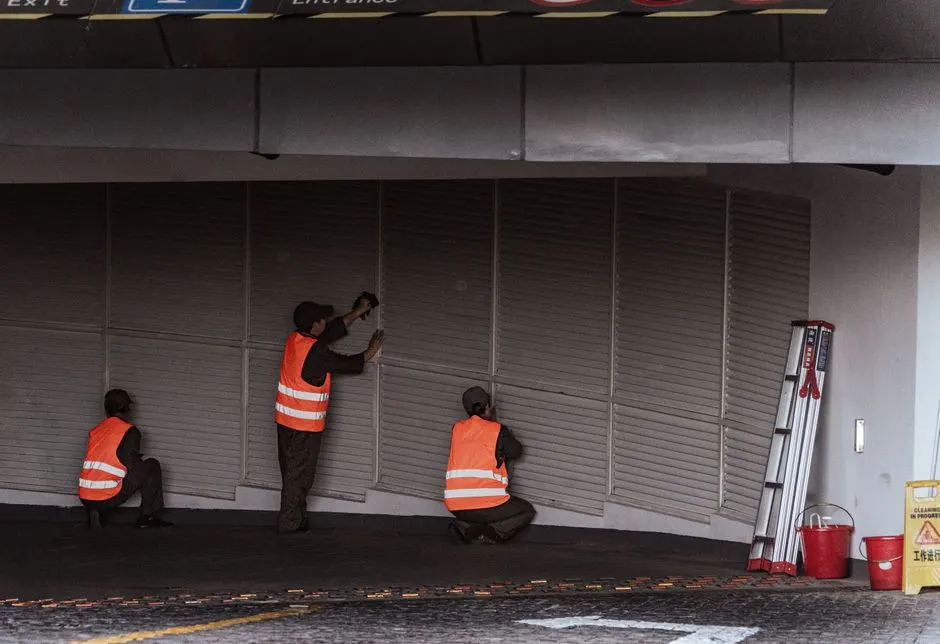 Commercial Mold InspectionCommercial mold inspection covers offices, retail spaces, and small apartment buildings. We work after hours when needed to avoid disrupting tenants. Reports are formatted for property managers and insurance adjusters, with photos and moisture readings documented by location.Explore →
Call (833) 929-5837 and we will schedule your inspection, usually within 24 hours. Our inspectors are IICRC certified and carry a CSLB license. You get a written report with lab results in one to two business days, and a clear answer on what needs fixing.
Schedule Inspection (833) 929-5837 →Call (833) 929-5837 any time - our line is answered 24/7 by a live technician, not a call center. For non-emergency estimates, we schedule same-day or next-day visits across NORTH HOLLYWOOD and the surrounding Valley. Send photos to our email if you want a quick read before we come out.