01
Phone Assessment
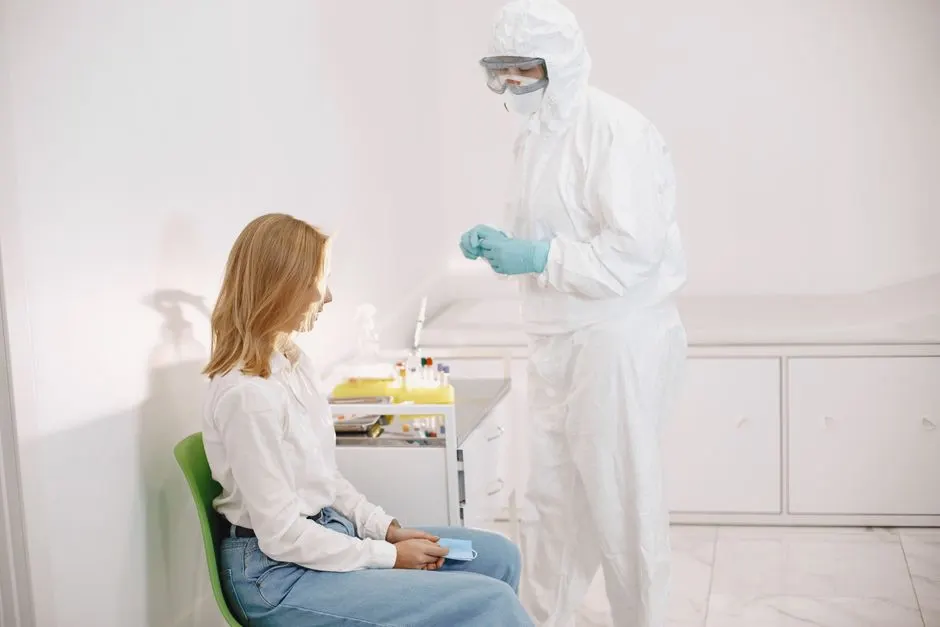
We ask where you smell it, when it started, and whether there's been a leak, flood, or plumbing repair. That conversation usually narrows the source to two or three rooms before we arrive. You get an arrival window and a straight answer on whether this is an emergency or something we can schedule for the next morning.
02
Inspection and Testing
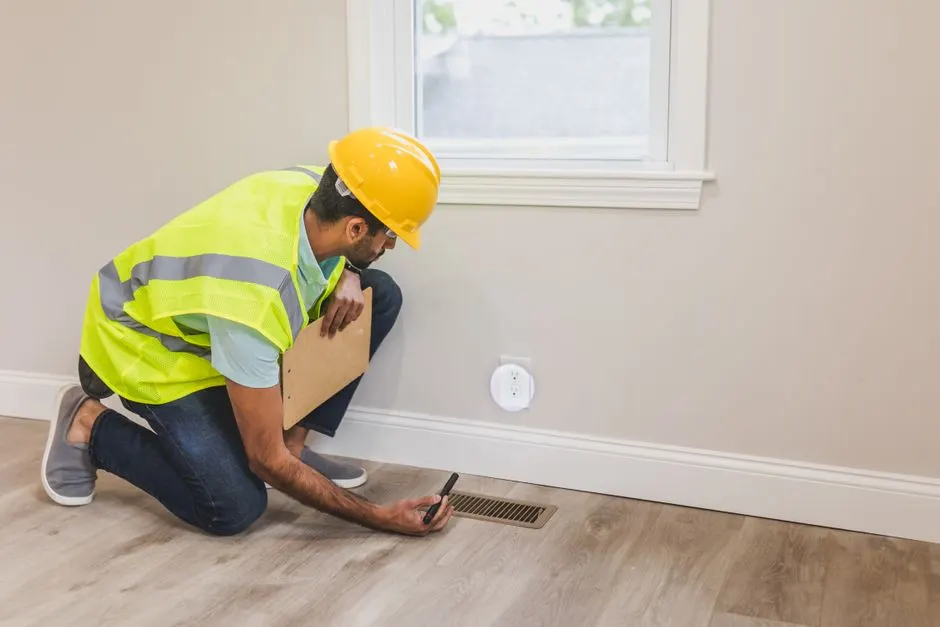
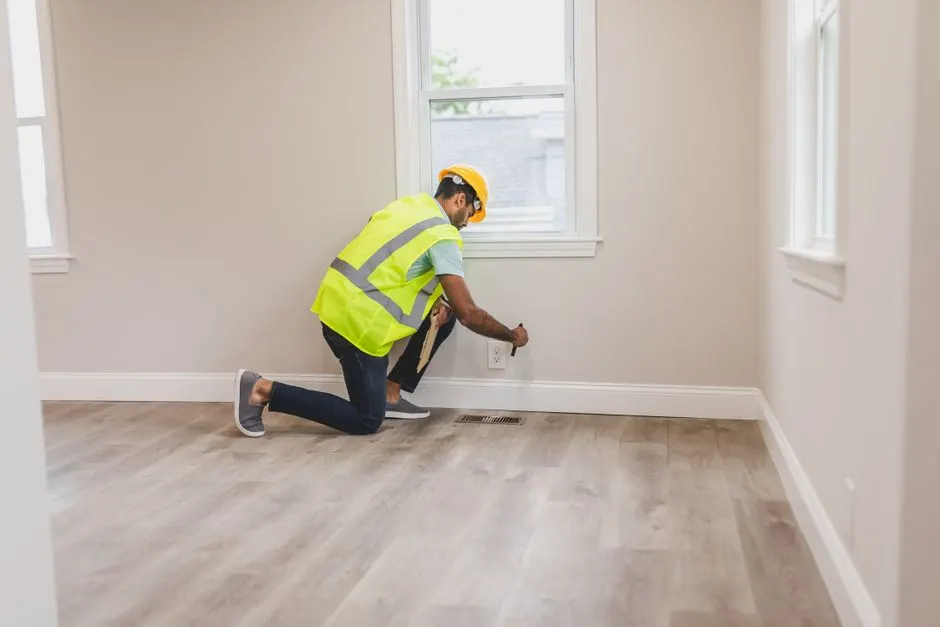
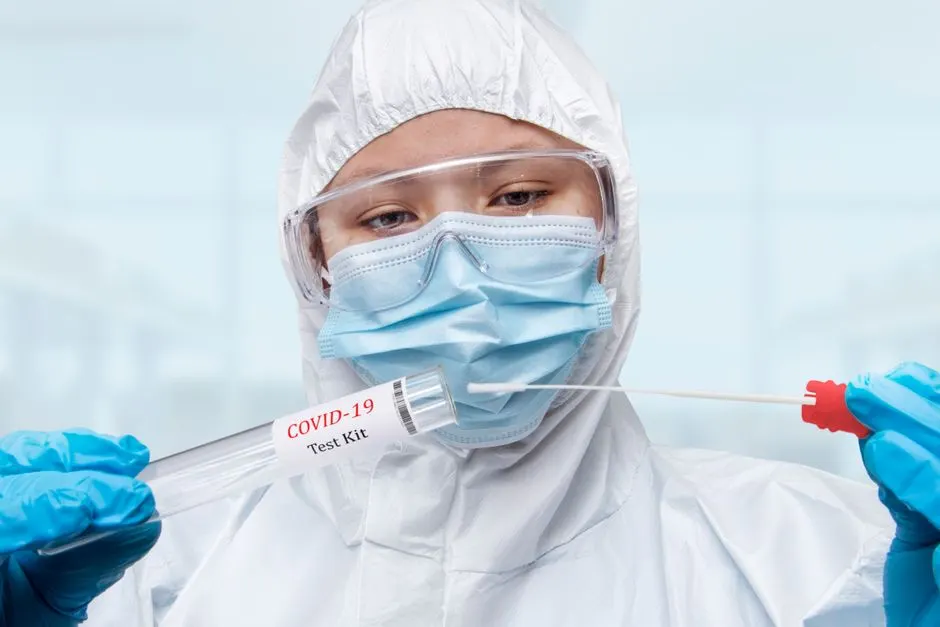
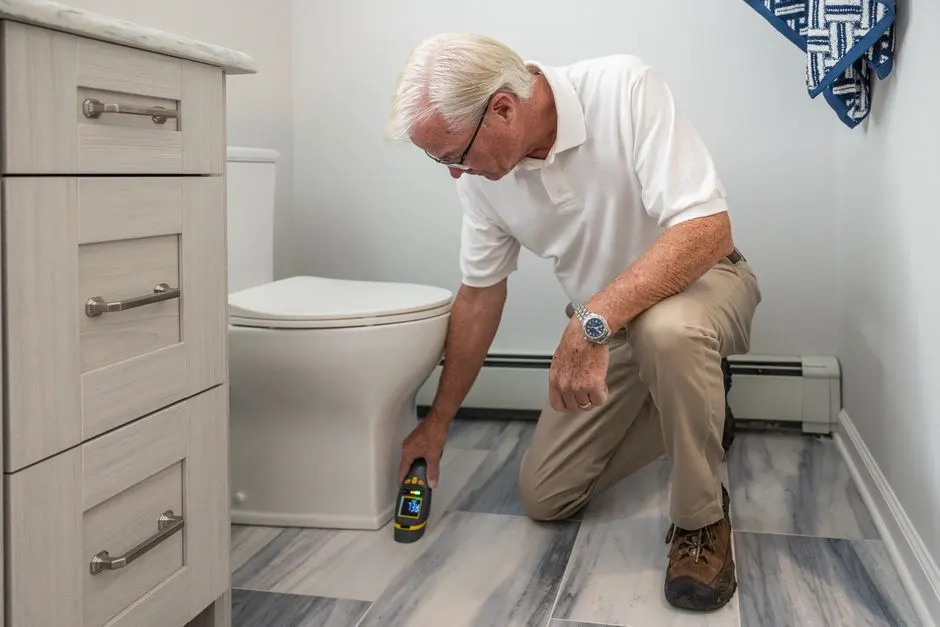
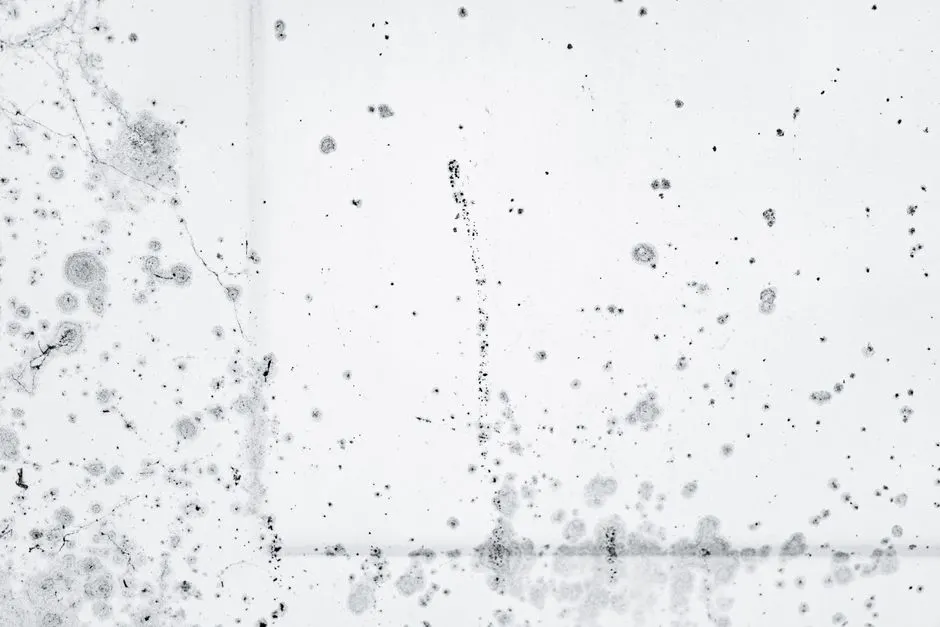
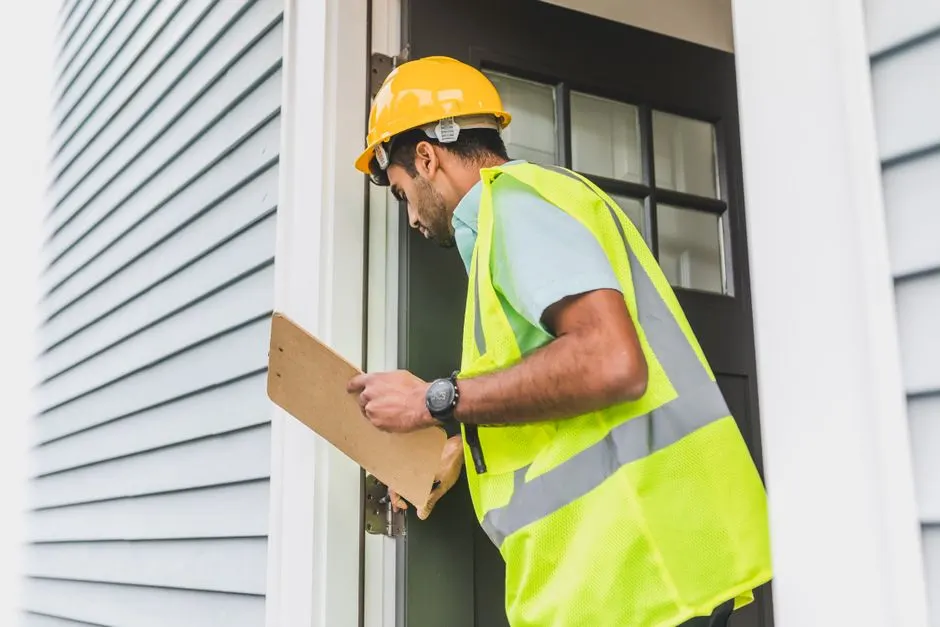
On site, we walk the house with a moisture meter and thermal imaging camera, then check wall cavities with a boroscope inspection camera. We set spore trap cassettes for air samples and send them to an accredited lab. This takes 60 to 90 minutes for a typical 1,500 square foot home and tells us whether the growth is active or historical.
03
Containment and Removal
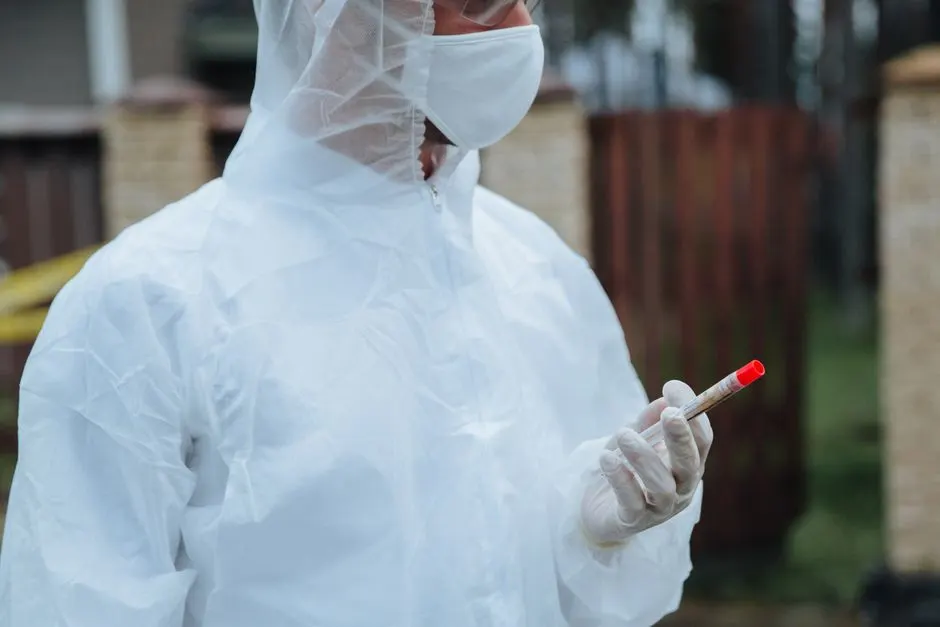
We seal the work area with 6-mil containment plastic sheeting and zipper doors, then run a negative air machine so spores can't migrate into clean rooms. Affected drywall, insulation, and trim come out, bagged and hauled away. Our technicians work in disposable coveralls and respirators, and we follow ANSI/IICRC S520 throughout.
04
Treatment and Odor Kill
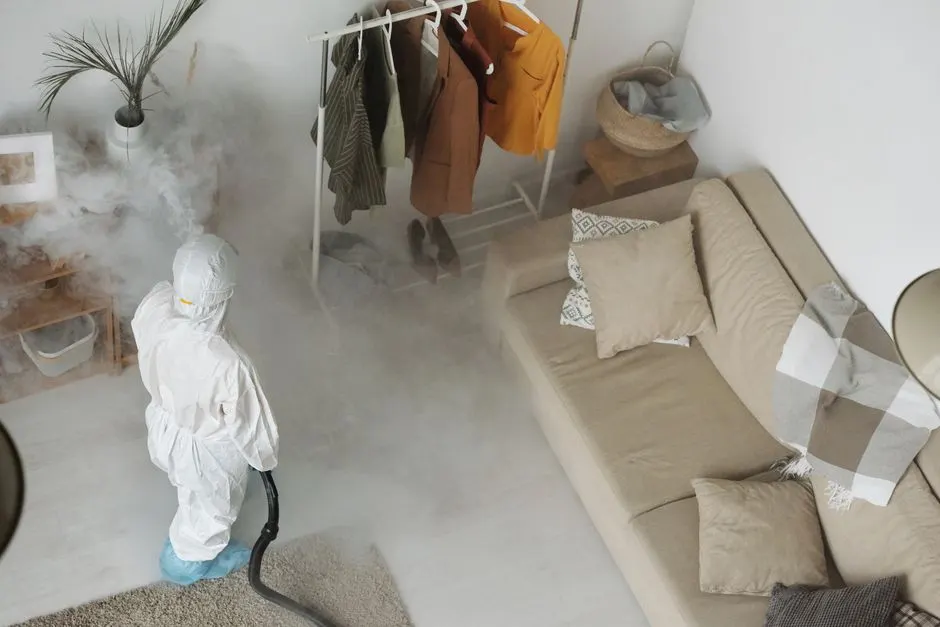
Framing and remaining surfaces get an antimicrobial solution, then a fogger distributes Benefect or Concrobium into the cavities where a spray bottle can't reach. For heavy growth on joists and subfloor, we use dry ice blasting, which removes the colony without water and leaves no abrasive residue behind. This step is what kills the smell rather than covering it.
05
Clearance and Rebuild
We run HEPA air scrubbers for 24 to 48 hours, then take post-remediation air samples. Once the lab confirms spore counts are back to normal, we remove containment and walk you through the rebuild. Drywall, paint, and trim go back on, and you get a written summary of what was found, removed, and treated.